MOVE BETTER.
RECOVER STRONGER.
PERFORM LONGER.
Targeted massage and recovery care designed to improve movement, support recovery, and keep you doing what you love.
Move better. Feel stronger. Stay active.
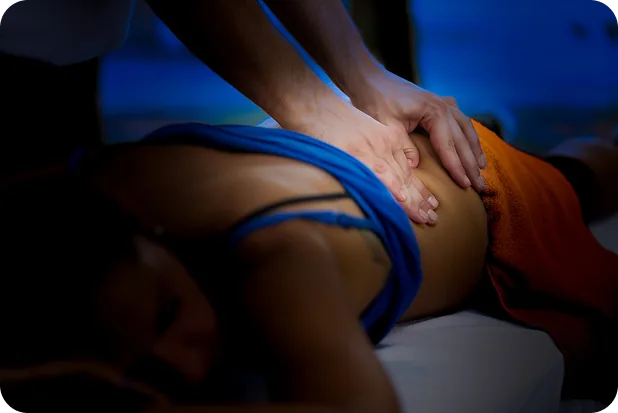
Excellence in Therapeutic and Sports Massage Therapy
At RX Sports Massage, we help athletes, fitness enthusiasts, and active individuals move better, recover smarter, and perform at their best. Our clinical approach combines targeted therapeutic techniques with individualized care to address the body’s unique needs. We focus on improving mobility, reducing tension, supporting recovery, and helping prevent injury through purposeful, evidence-informed treatment.
Guided by our RX Method—Correct → Maintain → Perform—every session is designed to help you feel better, move better, and stay ready for what’s next. With professionalism, integrity, and genuine care, we’re here to help you move with confidence and perform at your best.





EXCELLENT Based on 179 reviews
 Posted on Google
 Christina HalatI would highly recommend RX sports massage. Jim was very thorough and took the time to discuss my issues and describe a treatment tailored for me. Jim is a highly trained professional who takes client satisfaction very seriously. He communicated with me throughout the process and I felt very comfortable giving him feedback and vise versa. The facility is very clean and comfortable. Overall, a great experience!Posted on Google
 Sheri SteerI walked into RX Sports Massage today and loved the relaxed yet professional feel of the office. The setup of the therapy rooms immediately put me at ease with a soothing and comfortable ambiance. Not clinical but professional and comfortable. Definitely a place I would recommend to others.Posted on Google
 Marcus ProvidenceGreat place, James was very knowledgeable. Made me feel comfortable knowing that the goal was to target specific pain, and gave stretches to complete at home to help after the session.Posted on Google
 Christy MyhreJim has been fantastic to work with. He takes the time to listen, figure out the root of the issue, and customize each session to what your body needs. You can tell he genuinely cares about helping people feel better and move better.Posted on Google
 Aldo CastagnettoRX Sport massage team is very knowledgeable and customer service oriented. I do crossfit and maintenance to my muscle groups is needed to continue exercising and at my age, I have realized that this routine is needed in my life style. RX Sport massage is no joke, they do the real massage that your muscle needs... i do recommend RX Sports to everybody.Posted on Google
 J PerryOur first appointment with Jim was fantastic. He listened to my son’s goals and put together a thoughtful plan that made us both feel confident. I love that the whole process feels collaborative instead of just being told what to do. We are genuinely excited to keep working with the RX team!Posted on Google
 Julian MenchacaGreat communication and establishing expectationsPosted on Google
 Peter FalconeSuch great knowledge and care. Highly recommend, you will not be disappointed!Posted on Google
 David GomezJim took me in as a walk-in. After filling out all necessary paperwork, he work his magic and I was able to walk out with hardly any pain at all. I was able to umpire my scheduled game in its entirety with no pain. Thank you Jim! 🙏🏽Posted on Google
 Glenn SammisHe provided my back with a great deal of relief. I have pain in my lower back a great deal of the time. When he finished massaging and stretching my back there was no pain. I could feel the relief and a stretch. He’s the best.
How it works
THE RX METHOD
A CLEARER PATH TO STRONGER YOU.
A simple, personalized approach that meets you where you are and helps you progress toward where you want to be.
From identifying what’s limiting you to building a long-term recovery strategy, every step has a purpose.
01
Discover
UNDERSTAND WHAT YOUR BODY NEEDS.
We start by learning about you—your goals, activity, movement, and what may be holding you back.
02
Correct
ADDRESS WHAT’S LIMITING MOVEMENT.
Targeted therapeutic massage, mobility work, and movement education focus on the areas and patterns that need the most attention.
03
Maintain
PROTECT THE PROGRESS YOU’VE MADE.
Consistent recovery care helps maintain mobility, manage training demands, and keep small issues from becoming bigger setbacks.
04
Perform

STAY READY FOR WHAT’S NEXT.
Recovery becomes part of how you train, work, and live—helping you move well, recover effectively, and continue doing what you love.
IT’S A PROCESS.
STEP 1: DISCOVER
Your first visit to RX Sports Massage is more than simply getting on a massage table. It begins with understanding how you move, what you’re experiencing, and what you want to accomplish.
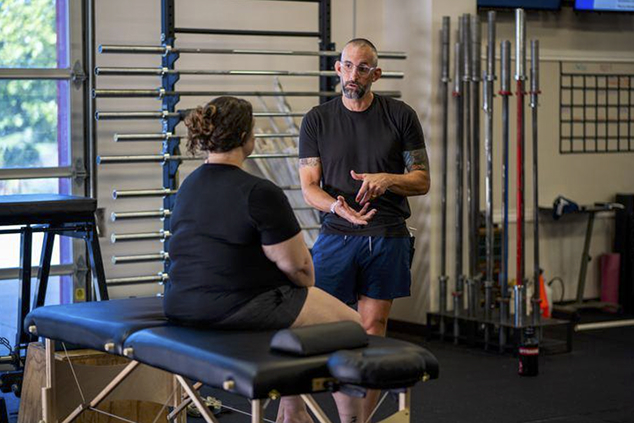
A Comprehensive Consultation Before your therapeutic massage begins, your therapist will take time to discuss your health history, activity level, lifestyle, current concerns, previous injuries, and goals for treatment. We’ll also talk about areas of discomfort, movement limitations, muscle tension, and any activities that may be contributing to the problem.
This initial conversation helps your therapist determine how to approach your session and which therapeutic techniques may be most appropriate.
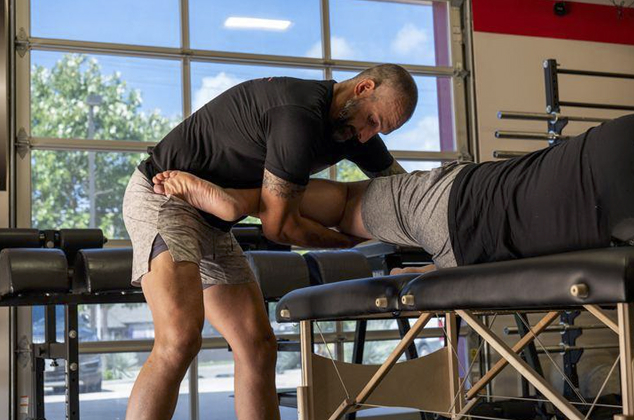
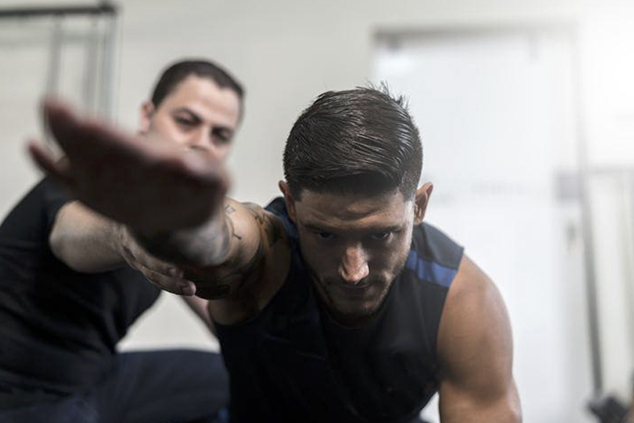
Movement & Treatment Assessment Depending on your individual needs, your therapist may evaluate basic movement patterns, range of motion, areas of restriction, postural considerations, or muscular imbalances. This allows us to look beyond the location of discomfort and consider how different areas of the body may be contributing to the way you move.
At RX Sports Massage, we believe that better movement starts with understanding the problem.
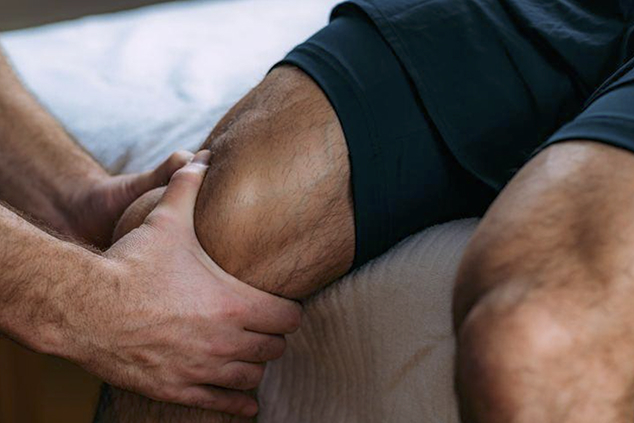
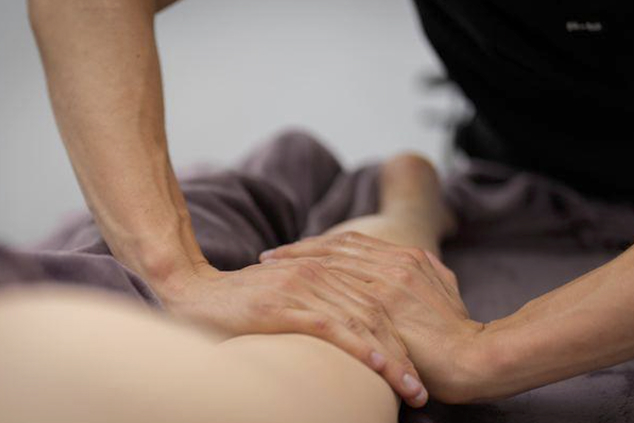
Your Therapeutic Massage Session Once your therapist has completed the consultation and assessment, your treatment begins. Your session may incorporate a combination of therapeutic massage techniques based on your specific needs.
These may include:
1. Therapeutic Massage
2. Sports Massage
3. Swedish Massage
4. Deep Tissue Techniques
5. Trigger Point Therapy
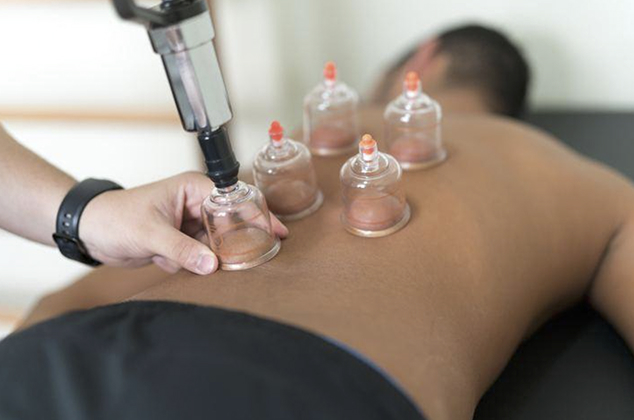
6. Cupping Therapy
7. Muscle Scraping / IASTM
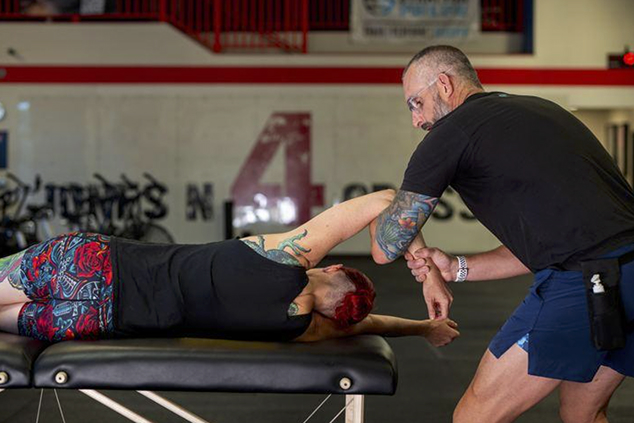
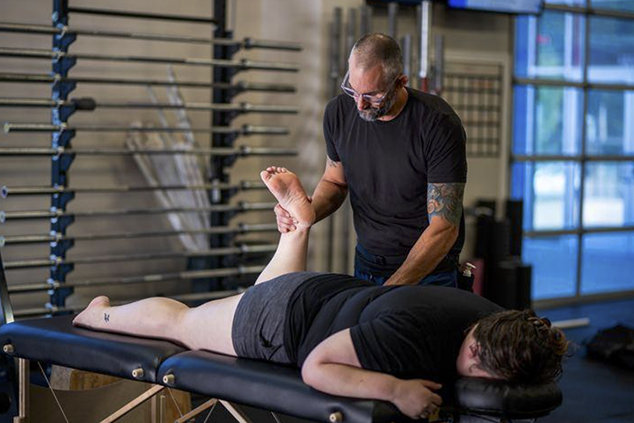
8. Assisted Stretching
9. Tissue Flossing
10. Compression Therapy
There are no elevation fees or additional charges for therapeutic techniques incorporated into your session. Your therapist selects the appropriate techniques based on your presentation and treatment goals rather than charging separately for each modality.
Throughout the session, communication is encouraged. Your therapist will check in regarding pressure, positioning, comfort, and how your body is responding to treatment.
What Happens After Your Session? Your first session is also the beginning of your personalized therapeutic care plan.
Following treatment, your therapist may discuss areas of muscular tension, mobility restrictions, movement patterns, or other observations identified during your session.
Depending on your goals, you may also receive recommendations for stretching, mobility work, recovery strategies, or other ways to support your progress between appointments.
You may feel relaxed, more mobile, or slightly tender following treatment. Every person responds differently, and your therapist will help you understand what to expect based on the techniques used during your session.
Building Your Personalized Treatment Plan Your first appointment establishes a baseline and gives your therapist a better understanding of your individual needs.
STEP 2: CORRECT
Once your therapist understands your history, movement patterns, and current concerns, the next step is to Correct.
At RX Sports Massage, your treatment plan is built around what your body is presenting—not a predetermined massage routine. The goal is to identify areas of muscular tension, mobility restriction, or movement compensation and develop a focused approach to address them.
Turning Assessment Into a Treatment Strategy
Your therapist uses the information gathered during your initial consultation and assessment to determine which areas should receive attention during your session.
Depending on your individual presentation, this may include evaluating: Range-of-motion limitations Muscular tension and tenderness Postural considerations Movement restrictions Compensation patterns Areas of soft-tissue restriction Muscle imbalances Previous or current areas of discomfort This information helps your therapist determine where treatment should be directed and which techniques may be most appropriate.
Treatment Designed Around You
Your therapeutic massage session may incorporate different techniques based on your specific needs. Rather than following the same routine for every client, your therapist can adjust pressure, positioning, techniques, and treatment areas as your body responds.
Treatment may include therapeutic massage, deep tissue techniques, trigger point work, cupping, muscle scraping/IASTM, assisted stretching, tissue flossing, or compression therapy when appropriate.
These techniques are included within your session—there are no additional modality or elevation fees.
The objective isn't simply to work on the area that hurts. Your therapist considers the relationship between mobility, muscular tension, movement patterns, and the activities that place demands on your body.
Your Plan Evolves With You
Your treatment plan is not static.
As you return for subsequent sessions, your therapist can reassess your progress and adjust the treatment approach based on your response, changes in mobility, current symptoms, activity level, and goals.
Depending on your individual needs, your therapist may also provide general recommendations for mobility work, stretching, recovery, or other self-care strategies that can complement your massage therapy between appointments.
Correct the Restriction. Improve the Movement.
The Correct phase of the RX Sports Massage approach is about creating a targeted therapeutic strategy to address the issues identified during your discovery and assessment.
Rather than simply treating the symptoms for the duration of a massage session, we work toward improving the way your body moves and responds to the demands placed upon it. Your first session helps us understand where you are. Correct establishes the plan for where you want to go. Better Movement Starts Here.
STEP 3: MAINTAIN
Correction is only the beginning. Once areas of tension, restriction, or movement limitation have been addressed, the next step is Maintain.
At RX Sports Massage, maintenance therapy is designed to help you preserve the mobility and movement improvements developed during your corrective treatment while continuing to address the everyday demands placed on your body.
Consistency Creates Progress
Your body is constantly adapting to the demands of work, training, exercise, recreation, and everyday life. Repetitive movement, prolonged sitting, intense training, and physical activity can gradually contribute to muscle tension and mobility restrictions.
Regular therapeutic massage provides an opportunity to monitor those changes and address developing areas of tension before they become larger limitations.
Maintenance sessions may focus on: Maintaining mobility and range of motion Managing recurring areas of muscle tension Supporting balanced movement patterns Addressing areas affected by repetitive activity Maintaining soft-tissue mobility
Supporting recovery between training sessions Monitoring changes in how your body moves Adapting treatment as your activity level changes
A Treatment Plan That Changes With You Maintenance does not mean receiving the exact same massage every time.
Your treatment needs can change based on your training schedule, occupation, activity level, travel, competition calendar, or changes in how your body is moving. Your therapist can adjust each session according to what you are experiencing at that time. One visit may focus on maintaining lower-body mobility after a cycling block, while another may address upper-body tension following strength training or prolonged desk work.
The goal is to remain proactive rather than waiting until a problem becomes significant enough to interrupt your normal activities.
Maintain the Foundation The Maintain phase is about creating consistency. By incorporating therapeutic massage into your ongoing wellness and activity routine, you can continue working on the mobility and soft-tissue changes established during the Correct phase while staying responsive to the demands placed on your body.
STEP 4: PERFORM
The final step of the RX Sports Massage approach is Perform. Once you have identified your needs, corrected areas of restriction, and established a consistent maintenance strategy, the focus shifts toward helping your body meet the demands of what you want to accomplish.
Whether you're training for a competition, preparing for an event, returning to an active lifestyle, or simply want to move with greater confidence, your treatment strategy evolves with your goals.
Prepare Your Body for What You Do
Performance means something different to everyone. For one person, it may mean completing a marathon. For another, it may mean improving their cycling performance, getting through a demanding CrossFit workout, returning to the gym, hiking a mountain, or simply being able to move through everyday activities without limitation.
Your massage therapy sessions can be adapted around the demands of your activity and your current training schedule.
Depending on your goals, treatment may focus on: Supporting mobility required for your activity Managing areas of recurring muscular tension Preparing for increased training demands Supporting recovery between workouts or events Maintaining movement quality during training cycles Addressing areas affected by repetitive activity Helping you stay consistent with your training and activities
From Recovery to Readiness
Performance isn't simply about working harder. It's about having a body that is prepared to handle the demands you place on it.
Your therapist can help you develop a treatment rhythm that complements your training, competition, work, and recovery schedule.
This may include adjusting the timing and focus of sessions around important training blocks or events. The goal is to help you stay consistent, move efficiently, and be prepared for what comes next.
Your Goals. Your Activity. Your Plan.
At RX Sports Massage, we don't define performance for you. You do.
Our role is to provide individualized therapeutic massage that supports the physical demands of your goals while helping you maintain the foundation established through the RX process.
From athletes and endurance competitors to fitness enthusiasts, weekend warriors, outdoor adventurers, and active professionals, your goals determine where we go next.
So you can run faster, jump higher, and perform better. Feel better with Massage Therapy.
Latest
News and Resources
How Therapeutic Massage Can Support Active Individuals
For athletes, fitness enthusiasts, and people who regularly train, recovery isn’t simply about resting between workouts. Recovery also involves maintaining the ability to move efficiently
How Often Should I Get a Massage? A Therapeutic Guide
How often should I get a massage? It’s one of the most common questions people ask when beginning massage therapy. The short answer is: it
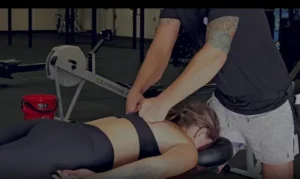
What Makes RX Sports Massage Different?
Massage therapy should be more than simply feeling good for an hour. It should have a purpose. At RX Sports Massage, our approach to therapeutic
Is an appointment necessary, or can I simply walk in
If you need treatment today, we may be able to accommodate you if an opening is available. Same-day and last-minute appointments are based entirely on therapist availability and are not guaranteed. We recommend checking our online booking system or contacting us directly before coming to the clinic.
Our goal is to provide focused, one-on-one care rather than simply fit you into an open table. Every appointment is scheduled for a specific amount of time so your therapist can give you their full attention without rushing your consultation or treatment.
If you’re not sure which service or session length is appropriate, contact us before booking. We can help determine the best starting point based on your goals, current concerns, activity level, and what you want to accomplish through therapeutic massage.
How to prepare for my massage?
Drink water throughout the day before your appointment and continue hydrating afterward. You don’t need to overdo it immediately before your session, but arriving adequately hydrated can help you feel more comfortable during treatment.
Try to finish a substantial meal about 1–2 hours before your session. A light snack is fine if you’re hungry. This can help you remain comfortable while lying on the treatment table.
Depending on your goals and the areas being treated, you may be asked to move through certain ranges of motion or perform simple movement assessments. Wear clothing that allows you to move comfortably.
Before treatment begins, be prepared to discuss what you’re experiencing, including areas of pain or discomfort, recent injuries, changes in training, limitations in movement, or activities that make your symptoms better or worse.
You don’t need to diagnose yourself or determine which technique should be used. Your therapist will use the information you provide, along with their assessment and clinical reasoning, to determine an appropriate approach for the session.
Your feedback matters. Let your therapist know if pressure feels too light, too intense, uncomfortable, or if something doesn’t feel right. Therapeutic massage should be purposeful—not a test of how much pressure you can tolerate.
If your goal is recovery or addressing a specific movement limitation, arriving extremely fatigued from a hard workout may make it more difficult to assess how your body is responding. If your appointment is specifically scheduled around an athletic event or training session, however, your therapist can adjust the approach accordingly.
Your first session is an opportunity to understand what you’re experiencing and establish a treatment approach designed around your goals—not simply receive a generic massage.
What can I expect during my initial sessions?
Your therapist will provide appropriate recommendations for recovery and future care based on your individual session.
How long are your massage sessions?
- 45-Minute Session — Best suited for focused treatment of one specific area. If an additional modality is being incorporated, the session will generally be limited to one specific modality, such as tissue flossing, cupping, or instrument-assisted soft tissue mobilization (IASTM/muscle scraping).
- 60-Minute Session — A versatile option for focused therapeutic work, a recovery-based full-body massage, or addressing approximately two to three areas when using deeper or more targeted techniques. When incorporating additional modalities, we generally focus on one primary area to allow enough time for proper tissue preparation, treatment, and reassessment.
- 90-Minute Session — Provides additional time for a more comprehensive therapeutic approach. Depending on the treatment goal, we may address approximately two to three areas when incorporating multiple modalities, or three to four areas for deeper therapeutic massage without extensive modality use.
- Tissue flossing
- Cupping therapy
- Instrument-assisted soft tissue mobilization (IASTM)
- Muscle scraping
- 45 minutes: One focused area and typically one modality
- 60 minutes: Approximately one primary area when incorporating additional modalities
- 90 minutes: Approximately two to three areas when incorporating multiple modalities
May I request a specific therapist?
- Schedule with your preferred therapist at their next available appointment.
- Select another RX Sports Massage therapist if you need care sooner.
- Contact us and we’ll help determine the best available option.
Is massage therapy safe?
- Cupping therapy
- Tissue flossing
- Instrument-assisted soft tissue mobilization (IASTM)
- Muscle scraping
- Kinesiology taping
- Assisted stretching
- Compression therapy
Do you accept Insurance?
- Treatment or management of a specific musculoskeletal condition
- Pain associated with a diagnosed condition
- Recovery related to a medical condition or injury
- Restoration or maintenance of function when medically necessary
- Therapeutic treatment prescribed or recommended by a qualified healthcare provider
- Massage received solely for relaxation
- General wellness or stress reduction without a qualifying medical purpose
- Spa-style or recreational massage
- Massage received solely for personal enjoyment
- Services that do not meet applicable IRS or plan requirements
- Expenses that your specific HSA/FSA administrator excludes
What is your cancellation policy?
Cancellation or Change | Fee |
|---|---|
More than 24 hours before appointment | No fee |
24–12 hours before appointment | 50% of scheduled service |
Less than 12 hours before appointment | 100% of scheduled service |
No-show | 100% of scheduled service |